Still Space: The Architecture of Living Well

Updated: Aug 5
How We Design Homes That Slow You Down, Help You Breathe, and Make Room for What Truly Matters

A Morning to Remember
It begins with a simple moment. A cold winter's morning, light falling pale and golden across the timber floorboards. You sit on a window seat, wrapped in a blanket, a hot cup of tea warming your hands. The world outside rushes on, but in here, time stretches. The house seems to exhale, holding you in its rhythm.
This is what we call Still Space. Not just architecture, but the art of shaping homes that let life breathe.
What Is Still Space?
For decades, houses have been designed as objects—floor plans drawn to maximize square meters, resale value, or the latest trend. But increasingly, we see clients asking for something deeper. They want a home that feels right, not just one that looks right.
Still Space is our response to this desire. It's a way of designing that listens—to the rhythms of life, to the seasons, to the land. Every decision, from the placement of a window to the texture of a wall, is made not for show but for experience.
It's architecture that creates space to pause, to reflect, and to feel grounded in your own life.

The Philosophy of Stillness
Still Space doesn't mean empty. It doesn't mean stark minimalism or austere silence. It means balance. It means a home that meets the chaos of everyday life with clarity and proportion.
Imagine:
A dining room that opens directly onto a leafy courtyard, where laughter and music spill into the evening air.
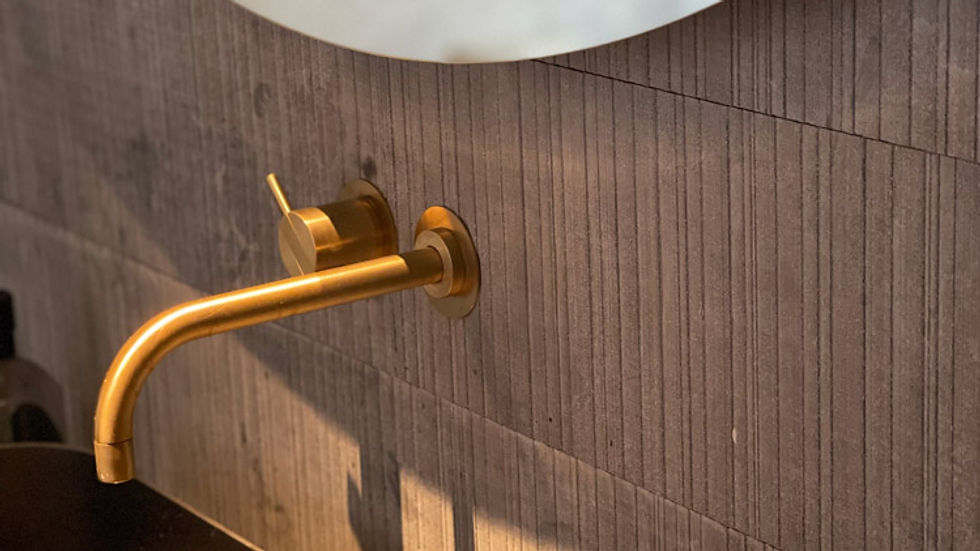
A bathroom where handmade tiles catch candlelight, turning routine into ritual.
A garden framed by a single doorway, the threshold becoming a stage for connection.
These are not grand gestures. They are subtle calibrations of light, material, and proportion that encourage pause. They invite you to slow down, to notice, to feel.
The Five Principles of Still Space
After 30 years of designing homes, we've distilled Still Space into five core principles:
1. Site-Responsive Design
We design with the land, not just on it. Every site has its own story—sun angles, breezes, views, character. We listen to what the site wants to be.
2. Light as Primary Material
The way light moves through a home shapes how you feel in it. We choreograph natural light—where it arrives, how it changes through the day, and what it reveals.
3. Materials That Age With Grace
We choose timber, stone, and textures that develop patina rather than date. Materials that feel good under your hand and look better in 20 years.
4. Indoor-Outdoor Connection
Australian living happens between inside and outside. We blur those boundaries—creating spaces where the garden becomes part of daily life.
5. Designing for Moments, Not Just Function
We don't just design kitchens and bedrooms. We design the morning tea ritual, the evening wind-down, and the Sunday breakfast that stretches into lunch.

How Still Space Responds to Place
The beauty of Still Space is that it doesn't chase trends or rely on imported styles. It draws from what is already here—the land, the climate, and the way people actually live.
In coastal homes, Still Space might mean breezeways that funnel sea air through the house or courtyards where afternoon sun softens into shade.
In the mountains, it might mean thick stone walls that hold warmth and windows angled to catch the last light on a ridge.
In the city, it might mean a carefully framed outlook over a pocket garden—a retreat from the urban hum.
The principle is simple: design not just with the eye, but with empathy.


Homes That Give Back
When clients step into a home shaped by Still Space, they often describe a feeling before they find the words. It's calm, but not empty. It's warm, but not cluttered. It feels considered. It feels like theirs.
These homes don't demand more of you. They give back.
They make room for the rituals of life:
Morning tea on the bench, watching light move across the floor.
A quiet moment at the end of the day, feet on warm timber.
The easy flow of friends gathered around a table, music drifting into the night.
That is the quiet revolution of Still Space—a recognition that architecture is not only about walls and roofs, but about how life unfolds inside them.

Who Still Space Is For
Still Space isn't for everyone. And that's intentional. It's for people who've reached a point where they can prioritize how they want to feel in their home, not just how it functions or looks to others.
You might be ready for Still Space if:
You're creating your forever home or personal retreat.
You've reached a life transition—empty nest, downsizing, or designing for your next chapter.
You value quality and longevity over trends.
You want a home that supports your wellbeing, not just your to-do list.
You have a special site—a view, a unique piece of land—and want to honor it.
If you're nodding along, explore our portfolio or contact us to start a conversation.

The New Definition of Luxury
In a world that moves fast, luxury has shifted. It is no longer about size or spectacle. The new luxury is time. Presence. The ability to feel grounded in your own life.
Still Space offers that. It's an architecture of restraint, care, and attunement. It respects the past, responds to the present, and creates the conditions for a more considered future.
For those who dream of more than a house—who dream of a place that listens, that restores, that inspires—Still Space is both philosophy and practice.
It's the possibility of waking each day in a home that doesn't just shelter you but shapes the way you live.
And perhaps, that is the real architecture of living well.
Ready to Explore Still Space?
See Still Space in practice: View our portfolio of Still Space homes.
Read next: Designing for Change: Homes That Evolve With You.
Start your project: Book a consultation to discuss creating your Still Space home.
Read about site and place: Listening to the Land
Written by Craig & Wendy Taylor
Red Blue Architecture + Design
Sydney, Australia


Comments